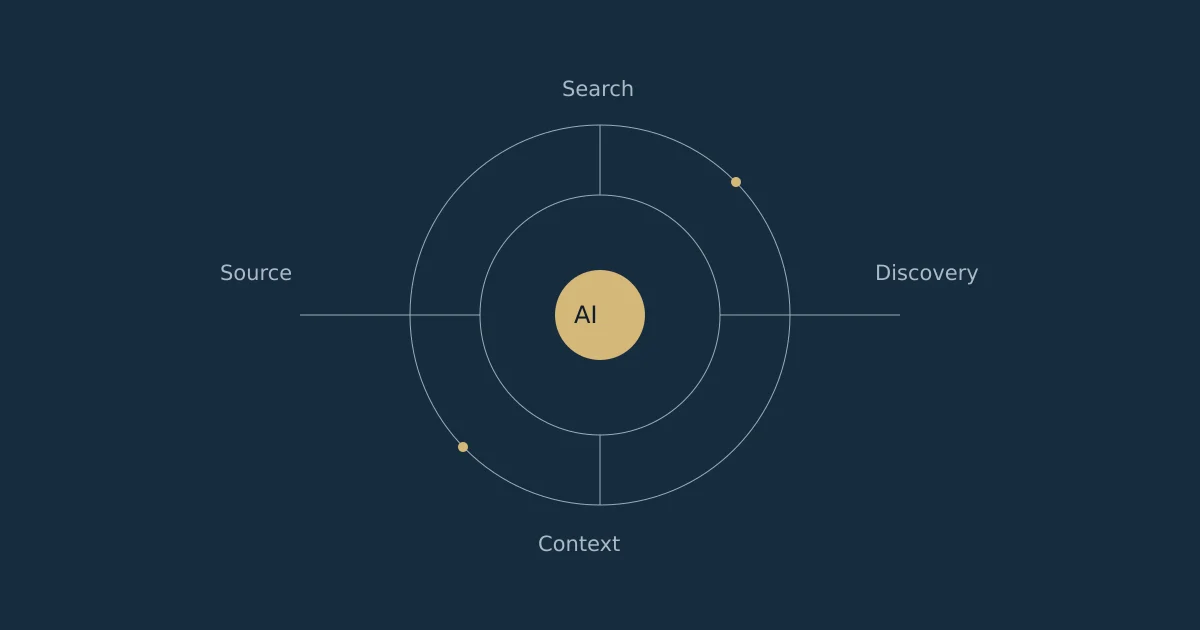
What Is Search Intelligence?
Search intelligence uses search-related evidence to understand audience questions, discoverability and opportunities for useful content or technical improvement.
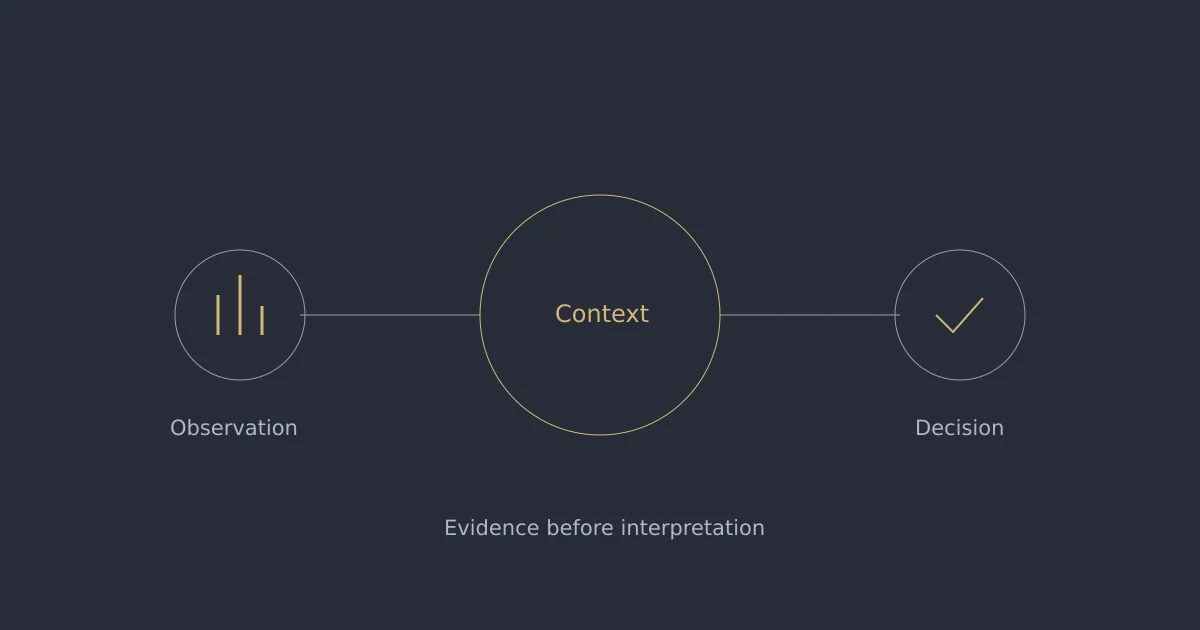
Search intelligence is the use of search-related evidence to understand audience needs, discoverability and opportunities for improvement. It turns observations about queries, pages and search experiences into questions that can guide decisions.
What information can inform it
Relevant sources may include first-party search performance reports, on-site search terms, manual result reviews and third-party estimates. Each source has a scope and limitations. A keyword estimate is not the same as a count of people who will visit or enquire.
The useful work is interpretive: what does the signal represent, what might explain it and what should be checked next?
An illustrative application
A publisher might find that readers use unfamiliar terminology when searching for an existing guide. That could suggest improving the introduction or adding a relevant definition. It does not automatically justify creating several new pages for small wording variations.
This example describes a decision pattern, not observed AISA performance.
Measurement boundaries
Search results vary with the platform and context. Reporting systems aggregate and filter information according to their own rules. Third-party tools may estimate demand or sample results rather than observe the entire audience.
Record the source, date and method before comparing figures. Use search intelligence to inform editorial or technical judgment, without treating a single score as a complete view of the market.
For a wider measurement perspective, read Measure Discovery, Not Just Traffic.