What Is an AI Smart Assistant?
Understand how AI assistants combine conversation, reliable knowledge and defined tasks—and why boundaries and human handoff matter.
An AI smart assistant is a digital system that uses artificial intelligence to help someone find information, understand a question or complete a defined task. Its value comes from the task it supports, the knowledge it can use and the quality of its responses—not simply from having a chat interface.
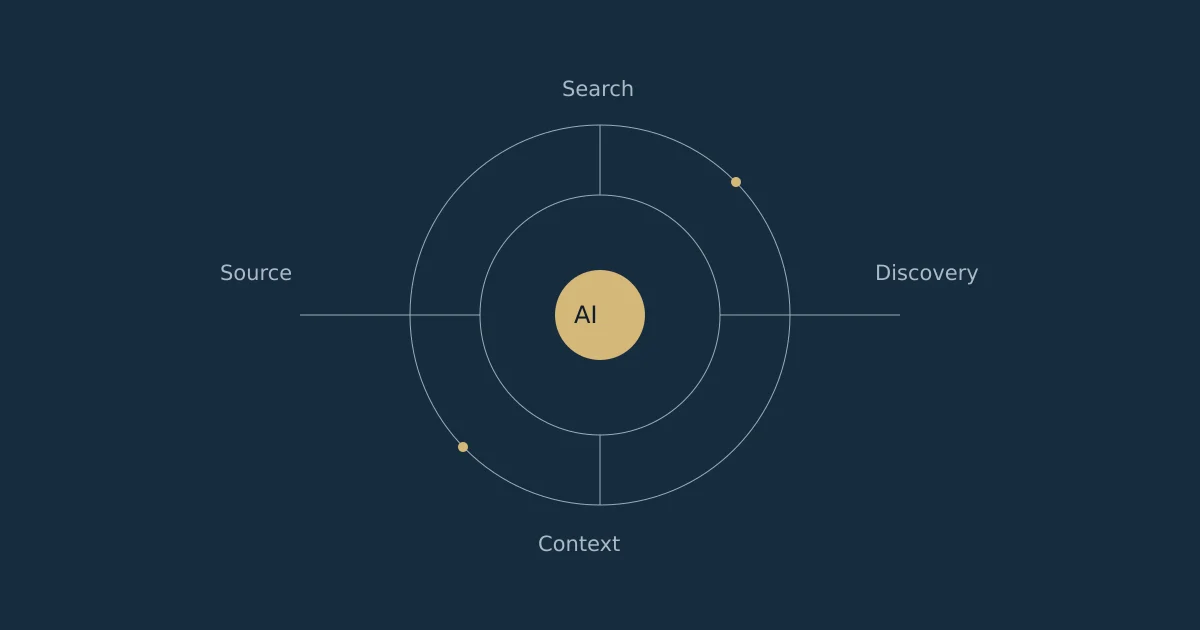
At AISA, AI Smart Assistant is also our brand identity. It expresses a broader ecosystem connecting search intelligence, digital publishing, intelligent engagement and measurement. This guide explains the general concept; it does not announce a publicly available AISA assistant product.
Start with the task, not the interface
A chat window can support very different experiences. One system might answer questions about a publication’s archive. Another might guide a visitor towards relevant business information. A third might help someone prepare a question for a human team.
Before choosing a technology, write a simple statement: “This assistant helps this audience do this specific thing using these approved sources.” If that sentence is difficult to complete, the intended experience probably needs more definition.
For example, a specialist publisher could consider an assistant that finds relevant explainers within its own library. That is narrower and easier to assess than an assistant expected to answer any question about an entire industry. This is an illustrative use case, not a report of an AISA deployment.
How an assistant can work
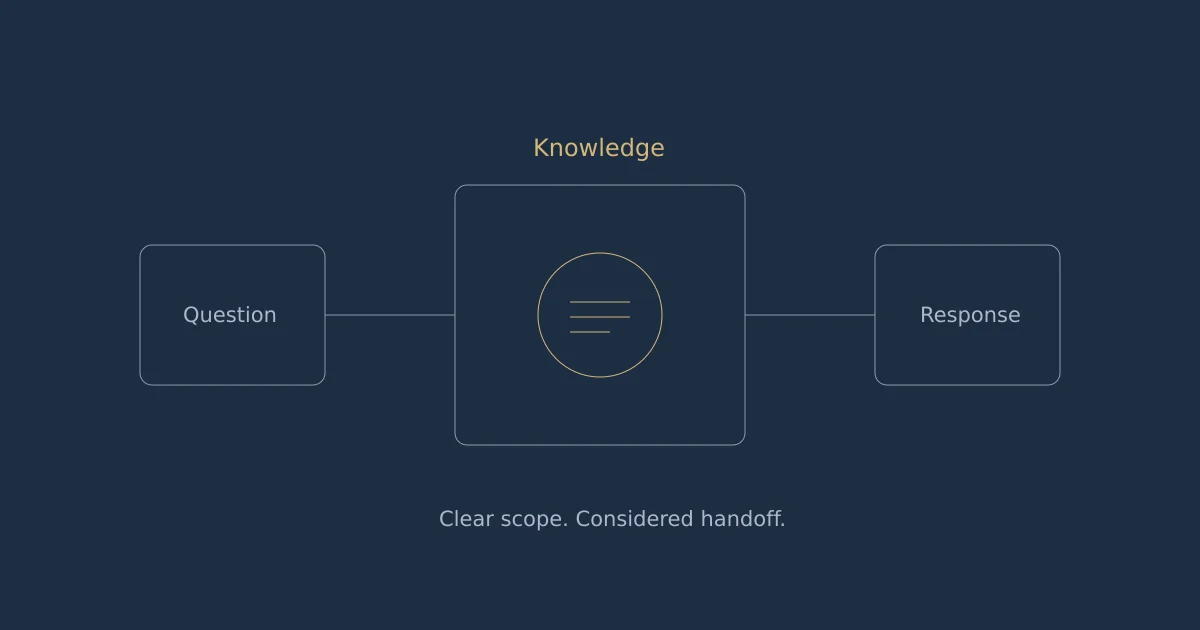
A typical knowledge-focused assistant has several connected parts:
- An interface receives a question and presents a response.
- A knowledge source provides approved information, such as maintained articles or product documentation.
- A retrieval process selects information relevant to the question, where retrieval is part of the design.
- A response system turns the available context into a useful answer.
- Rules and oversight define scope, escalation and acceptable handling of information.
These parts need not be complicated. A short, well-structured knowledge base and a clear escalation path can be more appropriate than a broad system with poorly maintained sources. Retrieval can help ground an answer, but it does not make every response correct.
The important question is whether the system helps a person reach a dependable next step. A long answer that misses the actual need can be less useful than a short clarification question or a direct link to an authoritative source.
AI assistants and traditional chatbots
“Chatbot” describes an interaction format, while “assistant” usually describes a role. The terms overlap, and providers use them differently. A scripted chatbot follows predefined paths; an AI-based system can interpret varied wording and generate responses. Many practical systems combine both approaches.
A predictable menu can be useful when choices are limited and errors would be costly. Generative responses can be useful when questions vary and relevant information needs to be explained. Neither approach is automatically the right choice for every task.
Compare the experience using practical criteria: answer accuracy, source quality, task completion, accessibility, maintenance effort and the ease of reaching a human. A technology label does not answer those questions.
Knowledge quality sets the ceiling
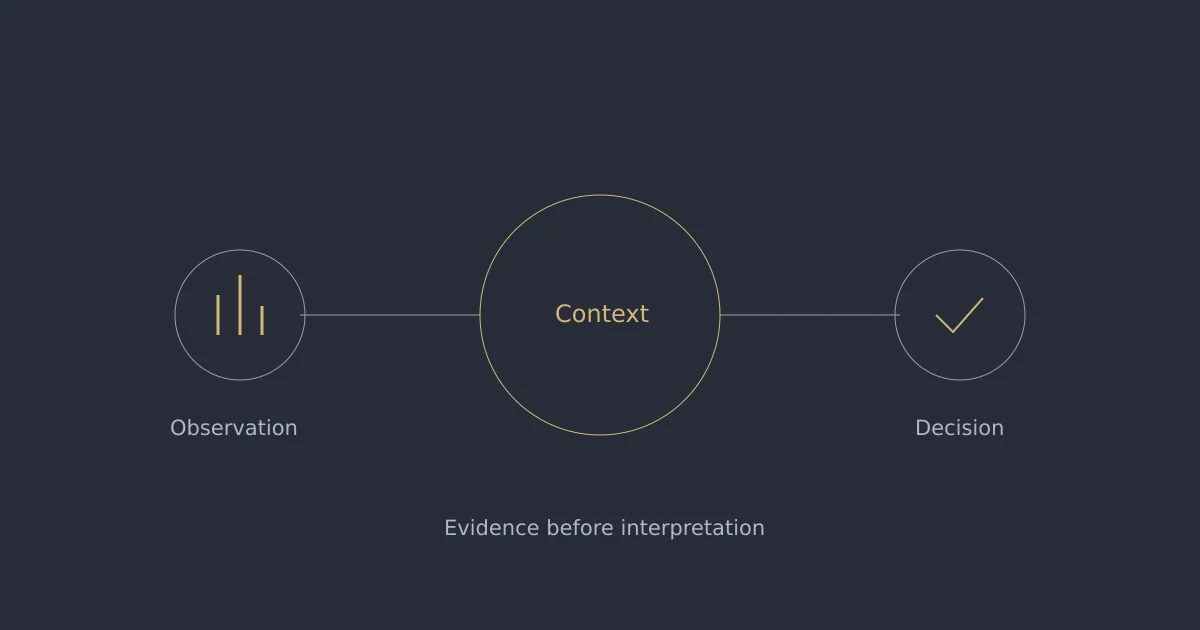
An assistant cannot compensate reliably for missing, conflicting or outdated information. Before connecting a knowledge library, identify its owner, review dates, approved scope and correction process.
A useful source contains explicit facts, descriptive headings and enough context to distinguish similar concepts. Contradictory pages should be resolved before they become input to a conversation. Content that exists only inside an inaccessible image can be harder to maintain and retrieve consistently than clear text.
This is where digital publishing and assistants meet. Editorial discipline makes knowledge easier for both people and systems to use.
Boundaries and human handoff
An assistant should have a way to say it does not know, explain what it can help with and offer an appropriate next step. It should not invent an answer simply to keep the conversation moving.
A human handoff becomes particularly important when a request falls outside approved knowledge, involves a complaint, includes sensitive information or could have significant consequences. The route should be visible and practical, with no promise of immediate availability unless that service actually exists.
The NIST AI Risk Management Framework provides a broader reference for considering AI risks in context. It is a voluntary framework, not a certification or a claim about an AISA implementation.
Evaluate before expanding
Build a small set of realistic questions, including incomplete wording, ambiguity and questions the assistant should not answer. Check whether responses are supported by sources and whether a user can recover from an unhelpful answer.
Record failure patterns rather than relying on a polished demonstration. A useful review looks at incorrect information, unnecessary personal-data requests, unclear handoff and the effort needed to maintain the system.
Start with a bounded use case. Expand only when the knowledge, review process and operating responsibilities can support the additional scope. The aim is a more useful experience, with responsibility visible throughout.