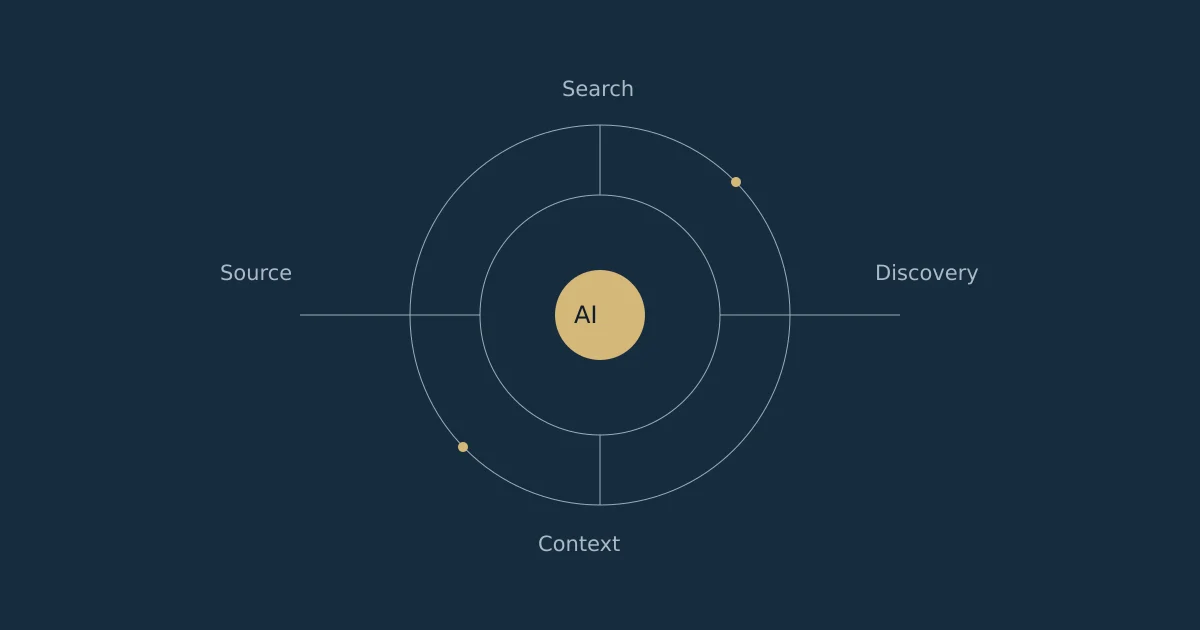
Why Digital Publishing Still Matters in the AI Era
AISA’s perspective on why useful source material, editorial judgment and maintained knowledge remain important as discovery interfaces evolve.
Digital publishing remains useful when it creates something worth finding: a clear explanation, a dependable reference or a considered perspective. AI-generated answers change how information may be encountered, but they do not remove the need for information that is accurate, contextual and maintained.
This is an editorial perspective on publishing strategy, not a forecast of traffic or a claim based on original AISA research.
The source still carries responsibility
A generated summary can compress an explanation. Compression can also remove qualifications, dates or distinctions that matter to a decision. A maintained source page provides a place to inspect that context.
For a publisher, this makes source quality an editorial concern before it becomes a distribution tactic. What exactly is being claimed? Which reference supports it? When was the information checked? What would make the explanation no longer correct?
A page that answers those questions is useful regardless of whether the reader arrives through a search result, a direct link, a conversation or an AI interface.
Editorial judgment is more than production
Generating text is one part of creating content. Choosing the right question, checking an explanation and deciding what should remain uncertain are different responsibilities.
A helpful publication gives each page a reason to exist. It can distinguish a definition from an interpretation and a documented observation from a prediction. It can also decide not to publish another page when the existing guide already answers the question.
This is consistent with Google’s people-first content guidance. It does not establish a formula for rankings; it provides a useful reference for evaluating editorial purpose.
Distribution deserves a broader view
A publisher should understand how discovery routes are changing without assuming that every platform behaves the same way. Search clicks, AI references and direct visits represent different experiences, with different reporting limits.
Our interpretation is that an owned publishing foundation remains valuable because it gives an organisation a place to maintain explanations and relationships. That is a strategic argument, not evidence that a particular publishing model will produce a given return.
The practical response is to keep sources accessible, make answers clear and examine the available evidence. Speculation about a platform’s future should not replace attention to the current reader.
A useful next step
Review one important guide. Check whether it answers a distinct question, names its sources, includes the context needed to use it and leads to relevant further reading. Fix those fundamentals before increasing output.
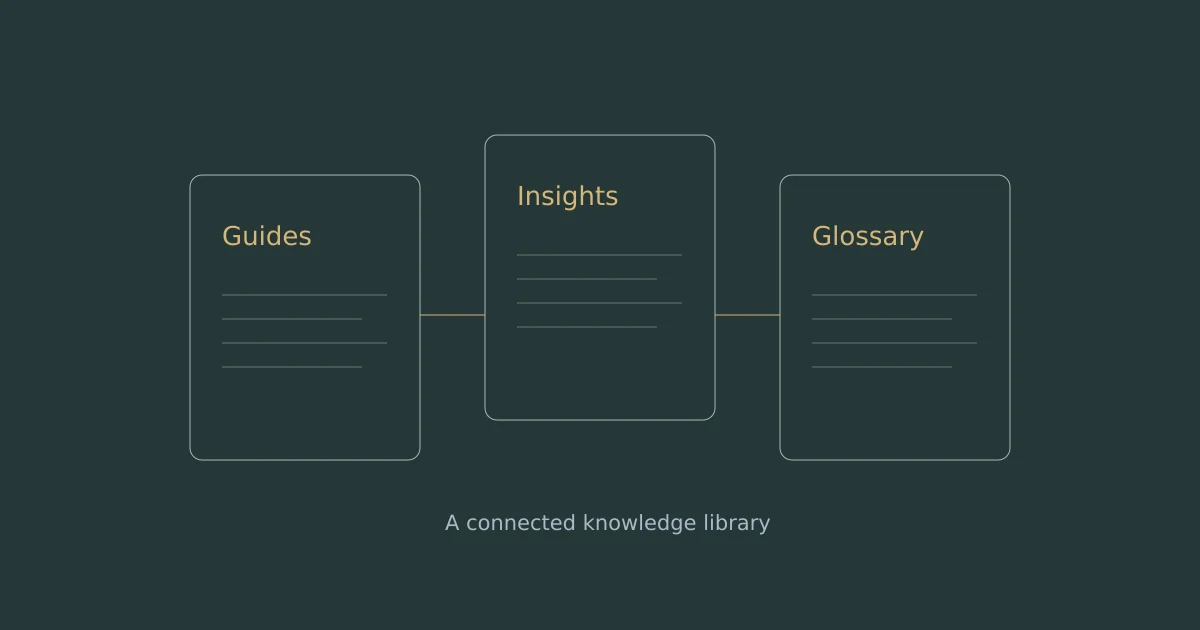
A small library of maintained, connected explanations can be a sensible starting point. Our guide to an owned media ecosystem explains how that structure can work.